
The Resurgence of Comics: A Cultural and Economic Analysis
By Naomi Goldberg · · 6 min read
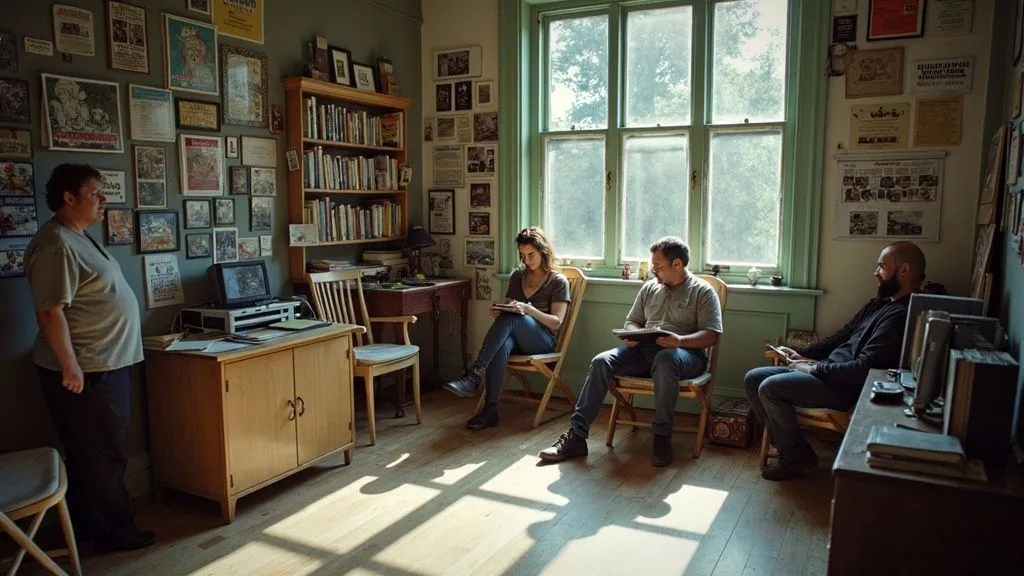
The resurgence of comics is more than just a fleeting trend; it’s a powerful movement that reflects a shift in cultural narratives, economic models, and artistic expression. Over the past decade, comics have evolved from being solely a niche pastime to a dynamic medium embraced by diverse audiences. This article delves into the reasons behind this resurgence, utilizing statistical data, expert insights, and contrasting perspectives on the future of comics.
Historical Context: A Brief Overview
Understanding the resurgence of comics requires tracing their history, starting from the golden age of comics in the 1930s and 1940s. Comic books provided escapism during the Great Depression and the Second World War, highlighting heroes and larger-than-life stories. However, as the years progressed, comics faced challenges, particularly in the 1990s, characterized by a sharp decline in sales and an increase in criticism concerning their content.
According to a recent report by the Association of American Publishers (AAP), the comic and graphic novel market has seen a staggering increase in sales—growing from $330 million in 2014 to over $1.1 billion in 2022. This explosive growth indicates a significant cultural resurgence, fueled by various factors including technological advancements, diverse storytelling, and the crossover success of superhero films.
The Digital Transformation
Technology has played a crucial role in the resurgence of comics. Digital comics have democratized access and provided new platforms for creators. Platforms such as ComiXology, Webtoon, and Tapas have allowed independent artists to distribute their work directly to audiences, bypassing traditional publishing barriers.
Expert Chris Roberson, a renowned comic book writer, noted, “The internet has given a voice to creators who previously struggled to find a foothold in a highly competitive industry. This democratization has made comics accessible to a broader audience, fostering innovation and diversity.”
Digital sales accounted for 36% of the comic market in 2022, as stated in the latest industry reports. This shift has not only revitalized the medium but also challenged conventional notions of what comics can be.
Diverse Voices and Representation
The resurgence of comics is also characterized by a much-needed focus on diversity and representation. Historically, the comic industry has often marginalized voices from various backgrounds. With the emergence of creators like Gene Luen Yang, Marjorie Liu, and Ta-Nehisi Coates, there has been a concerted effort to tell stories that reflect a broader spectrum of experiences.
Data from a study conducted by the Comic Book Legal Defense Fund indicates that 45% of new comic creators identify as people of color, which is a significant increase from previous years. As Yang eloquently stated, “Comics have the power to bridge cultural divides. When we tell stories that are authentic to our experiences, we create a more inclusive space for all readers.”
However, some critics argue that the emphasis on diversity sometimes overshadows storytelling quality. As industry veteran Mark Waid expressed, “There’s a fine line between representing diverse voices and pandering to trends. The key is to ensure that the stories remain engaging and true to the characters.” This perspective calls for a balance between representation and the core elements that make comics compelling.
The Role of Superhero Movies
The success of superhero films has undeniably contributed to the resurgence of comics. The Marvel Cinematic Universe and DC’s cinematic ventures have not only amplified interest in superhero narratives but also introduced audiences to comic characters and stories. For instance, the release of “Black Panther” in 2018, which highlighted African culture and heroism, led to a significant increase in related comic book sales, according to Diamond Comic Distributors.
Yet, the dominance of superhero movies has raised concerns about the narrow focus of the comic industry. Some industry insiders fear that the overwhelming emphasis on superhero stories may pigeonhole comics into a singular genre, potentially stifling creativity. As acclaimed writer Grant Morrison stated, “Comics can be so much more than superheroes. The medium has the potential to explore complex themes and narratives that transcend genre boundaries.”
Growing Interest in Graphic Novels
While traditional comic books have seen a resurgence, graphic novels have emerged as a significant force in the industry. The graphic novel format allows for deeper storytelling and artistic exploration, appealing to both young readers and adults. Data from the AAP shows that graphic novels accounted for 23% of total comic sales in 2022, with notable titles like “Maus” by Art Spiegelman and “Saga” by Brian K. Vaughan leading the way.
Author and publisher Rachel Richey emphasized this trend, stating, “Graphic novels provide the space to explore difficult topics—mental health, trauma, identity. They have the ability to resonate on a personal level with readers, fostering understanding and empathy.”
Economic Opportunities and Industry Growth
The economic implications of the resurgence of comics cannot be overlooked. The significant growth in sales has led to increased job opportunities within the industry, from writers and artists to editors and marketers. Publishers are now investing in new talent, leading to a more vibrant and diverse comic landscape.
According to a report by the Comic Book Industry Alliance, the average annual salary for comic book professionals increased by 15% from 2019 to 2022. This growth reflects the expanding market and the increasing recognition of comics as a legitimate career path.
However, the industry is not without challenges. Some creators still grapple with issues surrounding fair compensation and rights to their work. “While the industry is growing, we must ensure that creators are adequately compensated for their contributions,” urged comic artist Amanda Conner. “Fair pay and ownership rights are vital for sustaining this growth.”
The Future Landscape of Comics
As we look toward the future, the resurgence of comics is likely to continue shaping cultural narratives and artistic expression. The blending of genres, innovative storytelling techniques, and heightened representation will set the stage for a thriving industry.
Moreover, the rise of streaming platforms like Netflix and Disney+ may lead to further adaptations of comic stories, solidifying the medium’s relevance in mainstream culture. As Dan Didio, former co-publisher of DC Comics, pointed out, “Comics have always been a stepping stone to other forms of media. As long as we remain adaptable and innovative, the future looks bright.”
The Role of Events and Conventions
Comic conventions and events have also played a vital role in boosting the resurgence of comics. Events like San Diego Comic-Con and New York Comic Con not only celebrate the medium but also create spaces for networking, community-building, and launching new projects.
Attendance at these events has grown significantly, with San Diego Comic-Con attracting over 130,000 attendees in recent years. These gatherings provide a platform for fans to interact with creators, fostering a sense of community that extends beyond the pages of comics.
Conversely, some industry experts caution about the commercialization of such events. They argue that the focus on celebrity appearances and merchandise can overshadow the core essence of comics as a storytelling medium. “Conventions should be about celebrating the art form and its creators, not just a marketplace,” asserted writer Brian Michael Bendis.
Conclusion: Embracing the Narrative
The resurgence of comics represents a multifaceted phenomenon that intertwines cultural shifts, technological advances, and economic growth. With a focus on diverse voices, innovative storytelling, and a keen understanding of audience needs, the comic industry is well-positioned for continued evolution.
As readers, creators, and industry professionals, we must embrace this narrative—one that champions inclusivity and celebrates the extraordinary power of comics. By supporting diverse voices and innovative storytelling, we can ensure that the resurgence of comics not only thrives but also expands the very definitions of what comics can be.
Reflecting on the state of comics today, writer and artist Noelle Stevenson encapsulated the sentiment well: “Comics have always been about exploring the human experience in all its forms. As we continue to push boundaries, the stories we tell can inspire, challenge, and ultimately resonate with audiences across the globe.”
The future of comics is a vibrant tapestry interwoven with diverse tales, each with the potential to shape our understanding of ourselves and each other. In this resurgence, we find hope, inspiration, and a boundless canvas for creativity.